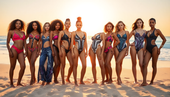



Essential Fabric Types for an Elevated Wardrobe: Fit, Care & Quality

In the evolving landscape of fashion, understanding fabric types is key to curating an elevated wardrobe that balances style, comfort, and longevity. This guide explores essential fabric choices, provides fit tips, offers garment care guidance, and underscores the importance of quality basics that remain durable and wearable over time.
Fabric Education: A Material World
Cotton
Cotton is one of the most ubiquitous and versatile fabrics. It is breathable, soft, and lends itself well to everyday wearability. This natural fiber is a beacon of comfort, ideal for layering or standalone pieces in warmer months. Its inherent durability and ease of care make it an indispensable part of any wardrobe. When considering cotton garments, pay attention to weaving quality, as this greatly impacts the fabric's durability and feel.
Linen
Linen offers lightweight breathability and a distinct texture. While it's known for its tendency to wrinkle, these creases contribute to its laid-back charm. Linen is perfect for warm weather due to its moisture-wicking properties. Regular ironing or steaming keeps linen looking sharp, making it a staple for a refined, relaxed aesthetic. Apparel constructed from high-quality linen promises both comfort and visual appeal, emphasizing the fabric's premium nature.
Wool
Wool is indispensable for cooler climates. Its natural insulating properties provide warmth while maintaining breathability. From cashmere to merino, the type of wool impacts softness, warmth, and care requirements. Wool needs careful washing to preserve its structure — a gentle cycle with cold water, or better yet, hand washing with a mild detergent. Regular airing between wears can help reduce the need for frequent laundering, extending the lifespan of your wool garments.
Fit Tips: Science Goes Seamless
Choosing the right fabric is only part of the equation — fit is crucial for both comfort and style. Here are some essential fit tips to guide you:
- Shoulders and Seams: Ensure seams hit at your natural shoulder line for a clean silhouette.
- Align with Fabric Properties: Stretch fabrics offer more flexibility, while structured fabrics like linen require more precision in sizing.
- Length Matters: Hemlines and sleeves can drastically affect the overall look — ensure they align with your desired style and comfort.
Garment Care: Sustainable Longevity
Appropriate garment care is fundamental to maintaining the look and feel of fabric over time. Here's how different materials should be approached:
- Cotton: Generally machine washable but benefits from gentle cycles and cold water. Avoid excessive tumble drying to prevent shrinkage.
- Linen: Best washed in cool water, either by hand or on a delicate cycle. Air dry to prevent damage.
- Wool: Needs careful handling. Opt for dry cleaning or gentle hand washing. Avoid hot water to prevent felting.
Quality Basics: The Foundation of Style

Effective wardrobe building starts with quality basics — pieces that provide versatile styling options and robust durability. Two standout examples from the U-Station underwear collection:
- U-Station Skeleton Bikini Royal: This piece embodies a design-led approach, ensuring both style and comfort in equal measure.
- U-Station String Thong Blue Peacock: A testament to the blend of minimalism and functionality within a modern wardrobe.
For a broader selection of versatile, design-driven pieces that integrate seamlessly into an elevated wardrobe, explore our latest arrivals in men's fashion.
The Takeaway
Crafting an elevated wardrobe is an ongoing process that prioritizes fabric quality, impeccable fit, and garment care. By understanding the fabrics you wear, you can make informed decisions that enhance your style and ensure your clothes stand the test of time. Prioritize clothing that not only looks good but feels luxurious and contributes to your personal sense of style.
For a deeper dive into fabric types and design-led insights, visit EricSaloDesign.com. And if you're building your wardrobe from the foundation up, our fabric types and garment care guide is the perfect companion read.
Making mindful fabric choices and embracing fit science can redefine your wardrobe — making it not just an expression of fashion, but a testament to quality and thoughtful design. Continue to explore and evolve with pieces that offer both immediate comfort and lasting elegance.
FAQs
What are the most commonly used fabric types for an elevated wardrobe?
Popular fabric types include silk, linen, cashmere, wool, cotton, and polyester blends. Each fabric offers unique properties that contribute to both comfort and style.
How does fabric choice impact the overall look of an outfit?
The choice of fabric affects the drape, texture, and sheen of a garment, all of which can elevate the overall aesthetic. Silk has a luxurious sheen, while linen offers a more relaxed look.
Why is the quality of fabric important in fashion?
High-quality fabrics not only enhance the longevity of garments but also provide better fit and comfort. Investing in quality materials can elevate your wardrobe significantly.
How can I identify high-quality fabrics when shopping?
Look for natural fibers such as cotton, wool, and silk as indicators of quality. Check for a smooth texture, weight, and durability. Familiarize yourself with fabric labels and care instructions.
What fabric types are best for different seasons?
For warmer months, lightweight fabrics like linen and cotton are ideal, while wool and cashmere are excellent choices for colder weather due to their insulating properties.
Are there eco-friendly fabric options available?
Yes — sustainable fabrics such as organic cotton, Tencel, and hemp look and feel great while having a lower environmental impact.
How do I properly care for different fabric types?
Natural fibers may need gentle washing and air drying, while synthetic materials can usually withstand machine washing. Always check the care label for specific instructions.
Can I mix different fabric types in one outfit?
Absolutely. Mixing fabrics can add depth and interest to an outfit. Be mindful of textures and weights to ensure a balanced, cohesive look.
Fashion On Sale


LaBlinque Tarzan Tie Side Loincloth Underwear Camel LB-15235 Size S
- $20.00 CAD
$40.00 CAD- $20.00 CAD
- Unit price
- per
- As shown


Pikante PIK 1289 Itadaki Briefs Color Black
- $42.00 CAD
$67.00 CAD- $42.00 CAD
- Unit price
- per


CandyMan 99586 Chain G-String Color Red
- $37.00 CAD
$44.00 CAD- $37.00 CAD
- Unit price
- per


JUSTIN+SIMON XSJ01 Classic Bikini Color Metal Green
- $31.00 CAD
$37.00 CAD- $31.00 CAD
- Unit price
- per


CandyMan 99848 Bikini Thongs Color Black
- $32.00 CAD
$38.00 CAD- $32.00 CAD
- Unit price
- per
JUSTIN+SIMON XSJ03 Classic Thongs Color USA Flag
- $35.00 CAD
$43.00 CAD- $35.00 CAD
- Unit price
- per


ErgoWear EW1790 MAX FLOW Bikini Color Dark Blue
- $43.00 CAD
$52.00 CAD- $43.00 CAD
- Unit price
- per


ErgoWear EW1829 FEEL SW Swim Trunks Color Aqua-Leaves
- $80.00 CAD
$95.00 CAD- $80.00 CAD
- Unit price
- per